Evaluating Lumberjack Numbers for DIY Crafting Projects
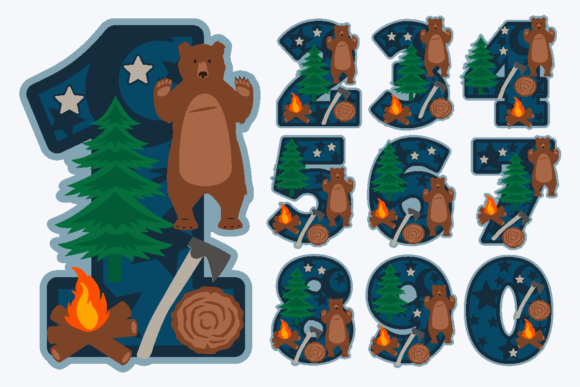
For crafters and small business owners looking to add a rustic, outdoorsy theme to their projects, digital cut files are an essential resource. Among the various thematic collections available, Lumberjack Numbers have gained attention for their specific aesthetic appeal and functional design. This collection typically features numerals styled with wood grain textures, plaid patterns, or axe motifs, capturing the essence of traditional logging culture. Understanding what this product entails, its technical specifications, and its practical applications is crucial for determining whether it aligns with your specific crafting goals.
Understanding the Product Composition
At its core, the Lumberjack Numbers collection is a digital asset pack designed for use with electronic cutting machines. The primary deliverable is a compressed (zipped) folder containing Scalable Vector Graphics (SVG) files representing numbers 0 through 9. Unlike standard raster images (such as JPEGs or PNGs), SVG files are vector-based, meaning they can be resized infinitely without losing quality or becoming pixelated. This characteristic is vital for crafting, where a design might need to be scaled from a small sticker to a large wall decal.
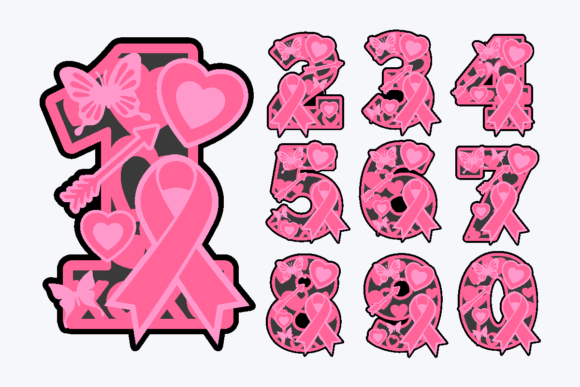
A distinguishing feature of this specific collection is its 3-layered structure. Each number is not a single flat shape but is composed of three distinct layers. Typically, these layers include a base shadow or backing, a main body (often featuring a wood texture), and a top accent layer (which might include a plaid overlay or dimensional highlight). This multi-layer approach allows users to create depth and a pseudo-3D effect in their final physical products, adding a level of sophistication that single-layer cuts cannot achieve.
Compatibility and Technical Requirements
Before acquiring any digital cut file, evaluating software and hardware compatibility is a necessary step. The Lumberjack Numbers SVG files are explicitly optimized for popular platforms such as Silhouette Studio and Cricut Design Space. Users of these systems can import the files directly, ungroup the layers, and assign different materials or colors to each layer within the software interface.
However, if you utilize other cutting machines or proprietary software, careful consideration is required. While SVG is a widely supported industry standard, not all machines interpret multi-layered files in the same way. Some older models or basic units may only recognize the top layer or require the file to be flattened before cutting. It is imperative to verify that your specific machine setup can handle layered SVG imports and that your software allows for the manipulation of individual vector paths. Failure to confirm this compatibility could result in additional time spent converting files or an inability to utilize the 3D features effectively.
Practical Applications and Use Cases
The versatility of the Lumberjack Numbers makes them suitable for a wide array of projects. Because the files are vector-based and layered, they adapt well to different materials and mediums. Common applications include:
- Cake Toppers: The layered design adds height and visual interest to birthday cakes, particularly for first birthdays or milestone celebrations with a woodland theme.
- Apparel Decoration: When used with heat transfer vinyl (HTV), the separate layers can be cut from different colored or patterned vinyls to create detailed shirts, hoodies, or hats.
- Stickers and Decals: The scalability of the SVG format ensures crisp lines whether printing on sticker paper for planners or cutting adhesive vinyl for water bottles and laptops.
- Home Decor: Larger cuts can be applied to wooden signs, nursery wall art, or party banners.
The "lumberjack" theme specifically targets niches such as baby showers for boys, outdoor-themed birthday parties, and family reunions. For creators selling handmade goods, these numbers offer a ready-made design element that reduces the time spent creating graphics from scratch, allowing more focus on production and assembly.
Benefits of the Layered Approach
The primary advantage of choosing a 3-layered SVG collection over a single-layer alternative is the resulting dimensionality. In crafting, depth often equates to perceived value. A number cut from a single piece of red vinyl looks flat; however, a number constructed with a black shadow layer, a wood-grain middle layer, and a red plaid top layer creates a professional, finished look. This eliminates the need for the crafter to manually design shadows or highlights, streamlining the workflow.
Furthermore, having the layers pre-separated offers flexibility. If a project calls for a simpler look, the user can choose to ignore the top accent layer and use only the base and body. Conversely, advanced users might add even more layers, such as glitter overlays or rhinestone templates, building upon the existing structure. This modularity makes the Lumberjack Numbers a robust starting point for both beginners and experienced designers.
Considerations and Potential Tradeoffs
While the benefits are significant, there are tradeoffs to consider when working with multi-layered files. The most notable is the increase in production time and material usage. Cutting three layers for every single number means the machine will run longer, and the alignment process (weeding and pressing) becomes more complex. For heat transfer projects, this requires precise registration to ensure the layers line up perfectly on the garment. A slight misalignment can ruin the 3D effect and make the design look sloppy.
Additionally, material costs will be higher compared to single-layer designs. You will need three times the amount of vinyl, cardstock, or adhesive per number. For high-volume production runs, such as fulfilling large orders for a school event, this increased cost and labor time must be factored into pricing strategies. If speed and economy are the primary drivers for a project, a single-layer alternative might be a more pragmatic choice.
Decision-Making Insights
Determining whether Lumberjack Numbers are the right fit depends largely on your project priorities. If your goal is to create high-quality, visually striking items where aesthetics take precedence over speed, this collection is a strong candidate. It is particularly well-suited for special occasions like birthdays where the "wow" factor of a 3D cake topper or a detailed shirt justifies the extra effort.
On the other hand, if you are producing items for rapid turnover, such as simple classroom labels or bulk giveaways where detail is less critical, the complexity of three layers may be unnecessary. In such scenarios, evaluating simpler, single-color numeral sets might yield better efficiency.
Ultimately, the value of the Lumberjack Numbers lies in their balance of thematic specificity and structural depth. They provide a specialized look that resonates with specific audiences while offering the technical flexibility of layered vectors. By assessing your machine's capabilities, your tolerance for assembly complexity, and your end-goal for the finished product, you can make an informed decision on whether this digital asset meets your crafting needs.